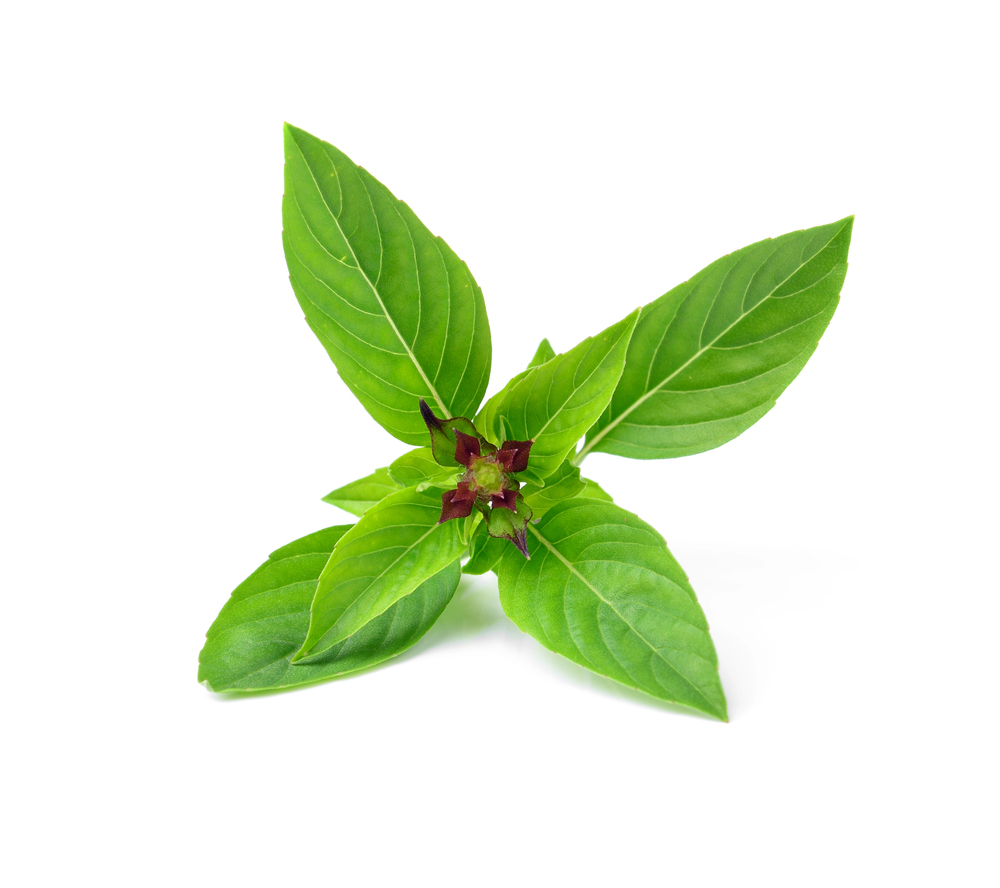

1. Understanding the Value of Thai Vegetable Seeds
Growing Thai vegetable seeds allows gardeners to experience the rich agricultural heritage, flavors, and botanical diversity of Thailand. These seeds offer an exciting way to expand a home garden with vegetables commonly used in soups, salads, stir-fries, and curries. Many gardeners choose Thai vegetable seeds because they produce plants that thrive in warm climates and offer resilient growth patterns.
The popularity of global cuisine has increased interest in unique crops, and these seeds introduce a range of textures and aromas unfamiliar to many Western vegetable gardeners. For beginners, Thai crops are often surprisingly easy to grow once the right environmental conditions are set. For experienced growers, these vegetables add rare varieties to seasonal harvests and build a deeper connection to international gardening traditions.
2. Climate and Temperature Requirements
Most plants grown from Thai vegetable seeds originate in hot, humid tropical regions, which means they flourish when temperatures stay between 75°F and 95°F. While they can be grown in cooler environments, gardeners must provide supplemental warmth, especially during germination and early growth.
Heat-loving vegetables benefit from warm soil, so raised beds or black mulch can help maintain proper temperatures. In northern climates, many growers start seeds indoors under grow lights or use greenhouses to extend the growing season. Consistency is key—fluctuating conditions can slow development or reduce yields, while steady warmth helps plants become productive quickly.
Soil Composition and Nutrient Support
The ideal soil for Thai vegetable seeds is loose, nutrient-rich, and well-draining. Compost is essential because it improves structure, boosts microbial life, and maintains a strong moisture balance during hot weather. Rich soil helps plants grow faster, produce more foliage, and generate larger yields.
Most Thai vegetables respond well to organic fertilizers applied throughout the season. Slow-release pellets or liquid feeding every two weeks ensure the soil remains fertile. Gardeners should avoid heavy clay soil unless it is amended with organic matter, as dense, compacted soil reduces root development and limits nutrient uptake.
Varieties of Thai Vegetables to Grow
One of the most exciting reasons to grow Thai vegetable seeds is the incredible diversity of available plants. Thai basil offers a sweet, spicy fragrance and is widely used in noodle dishes. Thai eggplant produces small, round fruits with crisp texture, ideal for curries. Bird’s eye chili delivers intense heat and grows prolifically in containers or raised beds.
Other favorites include water spinach, bitter melon, roselle, ridge gourd, and yard-long beans. Each brings a unique growing habit, flavor profile, and culinary purpose. Whether gardeners want leafy greens, productive vines, or compact herbs, these vegetables broaden the range of edible crops in home gardens.
Germination Techniques for Better Results
Germinating Thai vegetable seeds successfully depends on warmth, moisture, and proper handling. Most growers use seed trays and humidity domes to maintain consistent conditions. Some seeds need light exposure, while others should be lightly covered with soil. Following the packet instructions for each type increases germination rates.
Warmth is especially important. Seedling heat mats accelerate early growth by keeping soil temperatures stable. Watering should be gentle and frequent but never excessive. Overwatering can prevent germination by reducing oxygen in the soil, while underwatering causes seeds to dry out. With consistent care, seedlings emerge strong and ready for transplanting.
Watering Methods and Ongoing Maintenance
Vegetables grown from Thai vegetable seeds require balanced moisture, especially during the hottest periods of the season. Deep watering encourages strong root systems, while mulching helps retain moisture and regulate soil temperature. The goal is to keep soil gently moist without creating soggy conditions that could lead to fungal problems.
Regular maintenance may include pruning, staking, or trellising, depending on the plant variety. Vining crops like bitter melon and yard-long beans grow quickly and need support to reach their full potential. Bushier varieties, such as Thai basil, benefit from trimming to promote branching and prevent early flowering. With attentive care, these vegetables yield a fresh harvest throughout the growing season.
Natural Pest Prevention Methods
Plants grown from Thai vegetable seeds attract pests such as aphids, whiteflies, beetles, and caterpillars. However, gardeners can manage these challenges naturally by incorporating organic pest control methods. Neem oil, insecticidal soap, and horticultural oils are often effective and safe for edible gardens.
Another method is companion planting. Thai basil, lemongrass, and marigolds release fragrances that deter harmful insects. Introducing beneficial insects, such as ladybugs and lacewings, helps maintain natural balance. With a healthy ecosystem, pest populations stay manageable without the need for harsh synthetic chemicals.
Harvesting Techniques for Peak Flavor
Proper harvesting ensures that vegetables grown from Thai vegetable seeds reach their full flavor potential. Thai eggplants should be harvested when firm and glossy, while bird’s eye chilies taste best when fully colored. Water spinach should be cut while stems remain tender. Bitter melon must be picked early to reduce bitterness.
Frequent harvesting encourages many Thai vegetables to continue producing. When gardeners regularly pick ripe fruits, the plants shift energy into forming new flowers and fruits rather than completing their life cycle prematurely. This rhythm ensures prolonged production and consistent fresh vegetables for cooking.
Saving and Storing Future Seeds
Gardeners who grow open-pollinated Thai vegetable varieties can save seeds for future seasons. The process begins with selecting the healthiest, most productive plants to maintain strong genetics. Fruits should be allowed to mature fully on the plant before seeds are collected.
Once harvested, seeds must be washed, dried thoroughly, and stored in airtight containers. Proper storage keeps them viable for years. This practice makes gardening more cost-effective and sustainable while preserving rare and culturally essential seed varieties for future generations.
Choosing Reliable Sources for Thai Seeds
Selecting reputable suppliers ensures the best results when growing plants from Thai vegetable seeds. Many trusted online seed companies now carry authentic varieties sourced directly from Thailand or grown under controlled conditions in the United States.
High-quality seeds come with accurate descriptions, reliable germination rates, and proper packaging to maintain freshness. Gardeners benefit from choosing suppliers who provide detailed instructions, cultural notes, and customer reviews that confirm seed quality and authenticity.
12 Popular Thai Vegetables
-
(Horapa) – Fragrant herb used in stir-fries and curries.
-
Holy Basil (Kaprao) – Spicy, peppery basil used in pad krapow.
-
Lemon Basil (Maenglak) – Citrusy basil for soups and salads.
-
Thai Eggplant (Makuea Prao / Makuea Suai) – Small round eggplants used in green curry.
-
Bird’s Eye Chili (Prik Kee Noo) – Hot peppers essential for Thai spice.
-
Yard-Long Bean (Tua Fak Yao) – Long, crunchy beans used in stir-fries.
-
Water Spinach (Pak Boong) – Fast-growing leafy green used in morning glory dishes.
-
Bitter Melon (Mara) – Traditional vegetable with medicinal uses.
-
Roselle (Kra Jieb Daeng) – Hibiscus-like plant used for sour soups and herbal drinks.
-
Thai Pumpkin (Fak Thong) – Sweet, dense pumpkin used in desserts and curries.
-
Winged Bean (Tua Pu) – Edible pods, leaves, shoots, flowers, and tubers.
-
Galangal (Kha) – Aromatic root vegetable used in soups like tom kha.
References
- Thai Agricultural Crop Information
- Vegetable Growing Guide
- Organic Seed Starting Basics


