
1. What Garden Mulch Actually Does
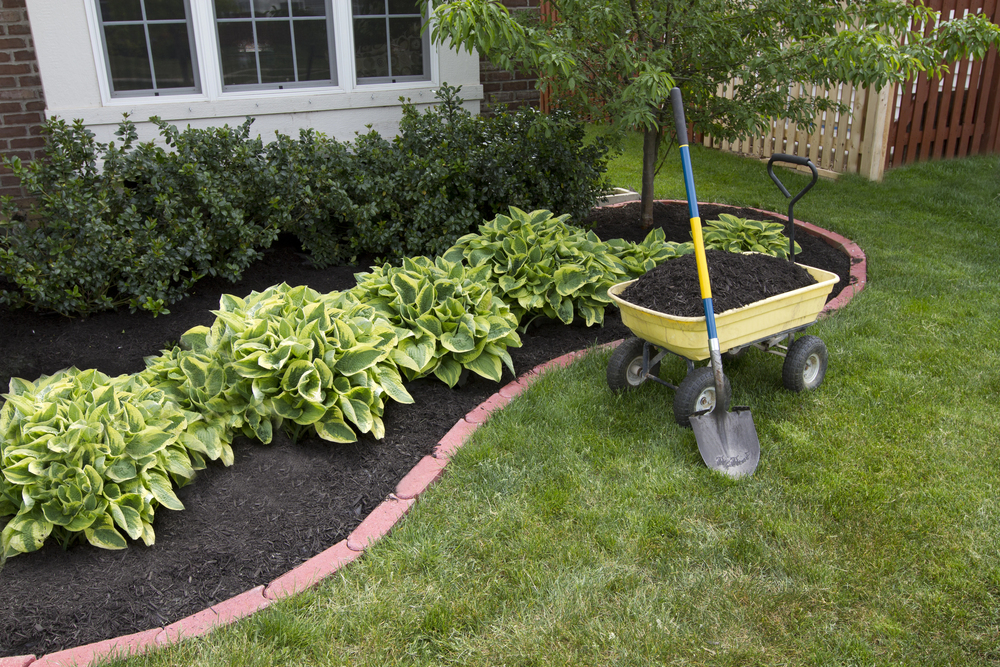
Garden Mulch plays a critical role in building soil health, regulating temperature, and improving overall plant resilience. When applied correctly, mulch helps retain moisture, reduce weed pressure, and stabilize fragile soil systems. Many gardeners underestimate how essential it is to create the right environment for roots to thrive. By providing a protective layer, mulch shields soil from direct sunlight, heavy rainfall, and compaction. This reduces the stress placed on roots and supports stronger, deeper growth over time. It also encourages beneficial microbial activity that slowly enhances fertility.
2. Common Questions About Garden Mulch
People often ask when to apply Garden Mulch, how thick the layer should be, and whether organic materials attract pests. New gardeners also wonder if they should remove old mulch before adding more. The most frequent concern involves how temperature shifts affect decomposition. Others ask if dyed mulches harm plants or if mulch causes soil to become too acidic. Many worry about mulch resting against stems and whether this leads to rot. Questions also arise about using mulch in vegetable gardens versus ornamental beds, and whether the type changes depending on plant species.
3. Myths That Confuse Gardeners
Misconceptions around Garden Mulch can lead to poor decisions that harm long-term soil health. One myth claims mulch “steals nitrogen,” causing plants to weaken. In reality, only uncomposted wood chips mixed directly into soil create nitrogen competition. Another myth suggests mulch automatically attracts termites, but termites seek decaying wood attached to structures, not mulch in flowerbeds. Some believe mulch instantly solves weed problems, when in fact it only suppresses germination but will not kill established weeds. A final myth insists mulch must be replaced yearly, even if last year’s layer is still decomposing well.
4. Pros and Cons of Different Mulch Types
Garden Mulch options vary widely, each with advantages and disadvantages. Organic mulches such as shredded leaves, bark, straw, and compost enrich soil as they break down. They improve structure, retain water, and support earthworms. However, they decompose sooner and must be refreshed more often. Inorganic mulches such as stones or rubber last much longer but fail to improve soil health. They may overheat nearby roots and create drainage issues. Wood chips offer excellent moisture retention and weed suppression but break down more slowly and sometimes alter nitrogen levels on the surface.
5. Proper Timing and Temperature Considerations
Timing is essential when applying Garden Mulch. The best period is late spring, once soil has warmed enough for roots to begin active growth. Adding mulch too early traps cold air in the soil and delays root development. In hot climates, mulch helps maintain cooler root zones during intense summer heat. During winter, it insulates soil from drastic freezes and thaws, preventing heaving that can damage plants. Temperature also affects decomposition rates. Warm, moist conditions promote microbial activity, while cold or overly dry conditions slow breakdown to a crawl.
6. Mistakes to Avoid When Using Garden Mulch
One of the most common mistakes is creating “mulch volcanoes,” where mulch piles up against tree trunks. This traps moisture, weakens bark, and encourages decay. Another mistake involves applying mulch too thickly—more than three inches can block airflow and prevent water from reaching roots. Using contaminated or diseased mulch spreads problems throughout a garden. Some gardeners use grass clippings in thick layers that form a mat, blocking oxygen. Others forget to pull mulch back during planting, which prevents seedlings from breaking through. Using the wrong mulch for specific plants creates unnecessary stress.
7. Problems Caused by Incorrect Mulching
Incorrect use of Garden Mulch leads to root suffocation, fungal growth, mold, and pest issues. Overly wet mulch can harbor fungus gnats or slugs that feed on tender stems. If mulch becomes hydrophobic, water runs off instead of absorbing, depriving roots of moisture. Mulch pushed against woody stems invites rot and borers. Nutrient imbalance may arise when large amounts of fresh wood sit on the soil surface and temporarily immobilize nitrogen. Using mulch contaminated with weed seeds spreads them across the bed. Stones used in full sun can overheat roots, causing stress.
8. How to Apply Garden Mulch Correctly
Applying Garden Mulch begins with clearing weeds and moistening the soil. Spread a two- to three-inch layer evenly, keeping space around tree trunks and stems bare. Fine mulches break down faster, while coarser options provide longer-lasting weed suppression. In vegetable gardens, use lighter mulches such as straw that allow easy movement and planting. Perennials benefit from shredded bark that maintains moderate moisture. Always evaluate soil moisture before adding mulch; applying to already saturated soil can encourage mold. Top up mulch as it decomposes, but avoid burying old layers unless they have fully broken down.
9. Choosing the Best Garden Mulch for Your Needs
Selecting the right Garden Mulch depends on climate, soil texture, and gardening goals. For water conservation, choose dense organic materials that retain moisture. For decorative beds, bark nuggets or dyed mulches provide color and longevity. Vegetable gardens require breathable mulches that warm the soil quickly. Sandy soil benefits from heavier mulches that do not blow away, while clay soil prefers lighter materials that improve drainage. Consider cost, availability, and decomposition rate when making a choice. Matching mulch type to plant requirements ensures maximum benefit throughout the growing season.
References
- https://extension.umn.edu/planting-and-growing-guides/mulch
- https://hgic.clemson.edu/factsheet/mulch/
- https://njaes.rutgers.edu/fs099/


