
Asian vegetable seeds are gaining popularity as gardeners discover their versatility, resilience, and remarkable culinary value. From leafy greens to unique fruiting crops, these seeds help growers add diversity to their gardens while extending their harvest season. Many gardeners start with familiar vegetables, but asian vegetables open the door to flavors and textures rarely found in standard Western gardens.
Understanding how asian vegetable seeds perform across different climates, soils, and cooking traditions helps gardeners make informed choices. These seeds include fast-growing greens, heat-tolerant vines, aromatic herbs, and nutrient-dense root vegetables. With careful planning and consistent maintenance, gardeners can enjoy a steady supply of fresh produce year-round. This expanded pillar page explores the essential aspects of choosing, growing, and enjoying Asian vegetables.
Table of Contents
Toggle1. What Makes Asian Vegetable Seeds Unique
Asian vegetable seeds stand out because of their adaptability to a wide range of climates. Many varieties thrive in hot, humid environments, making them perfect for summer gardens that challenge traditional vegetables. Other asian vegetables perform exceptionally well in cooler weather, allowing gardeners to extend their growing season into early spring and late fall.
A key characteristic of asian vegetables is their rapid growth rate. Many leafy greens mature in just a few weeks, enabling multiple plantings throughout the season. These seeds also offer a vast range of flavors, from mild and sweet to bold and peppery. Gardeners appreciate how Asian vegetable varieties introduce exciting culinary experiences that elevate simple home-cooked meals.
2. Popular Leafy Greens from Asian Vegetable Seeds
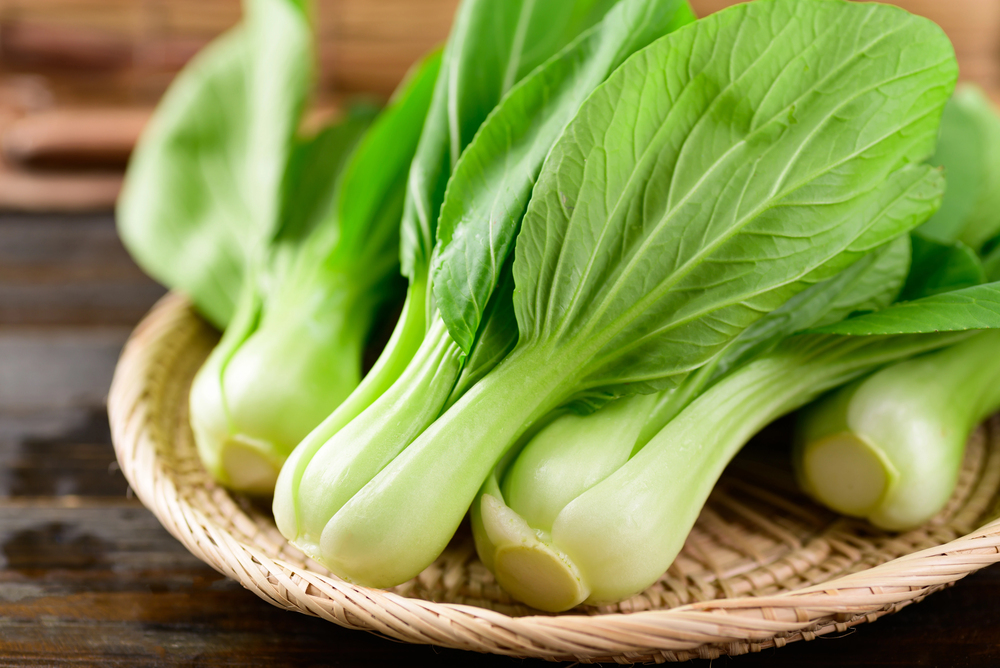
Leafy greens grown from asian vegetable seeds are among the most beginner-friendly crops in any garden. Varieties like bok choy, tatsoi, and mizuna sprout quickly and maintain tender textures even in fluctuating temperatures. Gardeners can harvest these greens at the baby stage or allow them to form larger bunches for soups and stir-fries.
Because many leafy greens from Asian vegetable varieties tolerate partial shade, they are ideal for gardens with limited sunlight. Their ability to grow densely also allows gardeners to make the most of small spaces. The nutritional value of these greens is another advantage, as they are rich in antioxidants, minerals, and vitamins. With minimal care, asian vegetable seeds provide daily harvests that support fresh, healthy meals.
3. Root Vegetables Commonly Grown
Daikon radish, Japanese turnips, and kabocha squash represent the diverse root crops available from asian vegetables. These varieties produce crisp, juicy textures that store well and maintain flavor long after harvest. Root vegetables from Asian vegetable varieties often resist common issues like bolting and cracking, especially when grown in well-prepared soil.
Because many roots develop quickly, gardeners can enjoy multiple cycles of planting throughout the year. Asian vegetables for root crops also adapt well to a range of soil types, though loose soil promotes the straightest, longest roots. Whether enjoyed raw, pickled, roasted, or simmered in broths, root crops from asian vegetable seeds bring depth and richness to countless dishes.
4. Fruiting Vegetables Derived from Asian Vegetable Seeds
Fruiting vegetables such as Thai eggplant, bitter melon, and yardlong beans offer striking color and shape combinations that stand out in any garden. These vigorous plants, grown from asian vegetable seeds, respond well to warm weather and full sun. Their extended growing habits allow gardeners to harvest continuously once the plants begin to produce.
Yardlong beans, for example, grow rapidly and yield abundant clusters of long, tender pods. Bitter melon climbs vertically with ease, making it perfect for trellises or vertical garden structures. Thai eggplants provide small, round fruits bursting with flavor and visual appeal. Fruiting crops grown from asian vegetable seeds reward gardeners with impressive harvests and unforgettable culinary experiences.
5. Herbs and Aromatics Grown from Asian Vegetable Seeds
Asian herbs add aromatic depth and cultural authenticity to many dishes. Thai basil, shiso, lemongrass, and Chinese chives all originate from asian vegetable seeds that grow reliably in warm conditions. These herbs flourish in containers, raised beds, and traditional gardens, offering flexibility for gardeners with limited space.
Many herbs grown from asian vegetable seeds produce continuously throughout the season when harvested regularly. Their strong aromas and bold flavors make them essential components of Asian cooking traditions. Gardeners who grow these herbs gain access to fresh leaves that surpass anything purchased in stores. These aromatic plants also attract pollinators, improving overall garden health.
6. Climate Benefits of Growing Asian Vegetable Seeds
Asian vegetable seeds demonstrate resilience across diverse climates, helping gardeners maintain productivity during unpredictable weather. Their tolerance to heat, humidity, and sudden temperature shifts makes them ideal for regions facing climate change challenges. Gardeners in both tropical and temperate zones benefit from the stability and adaptability of these seeds.
In cooler climates, certain asian vegetable seeds thrive during spring and fall when temperatures stay moderate. In warm regions, heat-loving crops perform exceptionally well throughout long summers. Because many asian vegetable seeds resist common pests and diseases, gardeners experience fewer losses and enjoy more consistent harvests.
7. Soil and Fertility Considerations for Asian Vegetable Seeds
Healthy soil is the foundation for successful growth from asian vegetable seeds. Most varieties perform best in well-drained soils rich in organic matter. Compost, aged leaf mold, and manure help boost fertility and improve soil structure. Asian vegetable seeds require consistent moisture to support fast growth, but waterlogged conditions should be avoided.
Mulching preserves soil moisture, regulates temperature, and reduces weed competition. For long-season crops, gardeners may supplement with organic fertilizers to sustain output. Because asian vegetable seeds grow at varying speeds, gardeners can adjust nutrient levels based on how the plants respond over time. Good soil management creates healthier roots and more abundant produce.
8. Planting and Maintenance Tips for Asian Vegetable Seeds
When planting asian vegetable seeds, spacing is critical for proper airflow and root development. Many seeds germinate quickly when sown directly into warm soil. Thinning seedlings prevents overcrowding and encourages strong growth. Consistent watering keeps greens tender and prevents root vegetables from becoming woody or misshapen.
Gardeners often practice succession planting with Asian garden vegetables, sowing small batches every few weeks for a continuous supply. Pest control remains simple due to the natural resilience of many varieties. Basic maintenance such as removing yellowing leaves, supporting climbing vines, and monitoring soil moisture helps asian vegetable seeds reach their full potential.
9. Container Gardening with Asian Vegetable Seeds
Container gardening offers an excellent way to grow asian vegetable seeds in limited spaces such as balconies, patios, or small yards. Containers allow full control over soil quality and drainage. Leafy greens, herbs, small root crops, and compact fruiting varieties thrive in appropriately sized pots.
Asian vegetable seeds grown in containers often face fewer pest problems, and watering becomes more manageable. Lightweight containers allow gardeners to reposition plants for better sunlight access throughout the season. For those seeking a flexible, high-yield solution, container growing with asian vegetable seeds provides a practical and rewarding approach.
10. Choosing Quality Asian Garden Vegetables for Long-Term Success
The success of any crop begins with selecting high-quality asian vegetable seeds. Reputable suppliers ensure proper germination rates, purity, and vitality. Gardeners must decide whether to purchase hybrid, open-pollinated, or heirloom varieties depending on their goals. Heirlooms provide unique shapes and flavors, while hybrids offer disease resistance and uniform growth.
Proper storage extends the life of Asian garden vegetables for future seasons. Seeds should be kept in a cool, dry space free from moisture and temperature fluctuations. Once gardeners commit to quality sources and sound storage practices, they can rely on asian vegetable seeds to deliver consistent performance year after year.


